Cultural Marketing: Boost Your Brand Reach
Cultural marketing is the practice of designing content, campaigns, and customer experiences that reflect how a specific group actually thinks, celebrates, shops, and makes decisions — not just what language they read. It goes beyond translation. A Ramadan campaign that runs unchanged from a template built for a European audience will underperform in Riyadh. And not by a little: the gap often equals the entire margin between profit and loss. In our work across the region, we repeatedly see brands pour real money into paid ads across Egypt and Saudi Arabia, then wonder why click-through rates crater. Meanwhile, a local competitor with half the budget sells out. The difference is almost never the product. It's culture.
If you want proof that culturally-tuned campaigns translate into real numbers, see how we define our work success through verifiable client outcomes rather than vanity metrics. Just as marketing must reflect local realities, the agriculture trends unique to the region show why MENA innovation deserves coverage separate from North American and European models. Cultural campaigns resonate most when they are validated with numbers, so pairing creative instinct with big data analytics in marketing helps confirm which messages and products actually drive margin.For brands operating in the MENA region, that distinction separates campaigns that convert from campaigns that quietly insult. VeraContent frames it precisely: cultural marketing goes far beyond translation, accounting for how people think, behave, and make decisions within a given market (VeraContent).
This guide is built specifically for Egypt, Saudi Arabia, and the wider Gulf. Three factors make these markets different. Ramadan reshapes the entire commercial calendar. Arabic dialects shift meaning across borders. And a single misplaced symbol can end a campaign before it starts.
About This Guide and Its Sourcing

This guide to digital marketing in Arabic-speaking markets is written from a practitioner's perspective, drawing on commonly-observed industry patterns rather than proprietary client data or named campaigns. It is a topical reference, not a byline-attributed opinion piece. Where the guide describes patterns — for example, how dayparting shifts during Ramadan or how localized ads compare to culturally-marketed ones — these are framed as widely-seen industry behaviors rather than measured results from a specific named account, because verifiable metrics for those individual cases cannot be cited here. Definitional and strategic claims are supported inline by the published sources listed in the Sources & References section. When a figure or claim is not accompanied by a citation, treat it as a general industry observation rather than a precise, audited statistic. This transparency is deliberate: an honest, clearly-scoped guide is more useful than one that overstates its authority.
Last reviewed and updated: June 2025. This guide to Arabic-market digital marketing is periodically revised as regional calendars and platform behaviors change; readers should always confirm date-specific details (such as the current year's Ramadan and Eid dates) against a primary source before planning.
Key Takeaways: Cultural Marketing in the MENA Region
- Cultural marketing is not translation. Translating an ad into Arabic without adapting imagery, timing, humor, and values produces localized text with foreign instincts. In our experience, audiences notice the mismatch within seconds — long before they finish reading.
- The MENA calendar is a commercial engine. Ramadan, Eid al-Fitr, Eid al-Adha, and Saudi National Day (celebrated on 23 September) drive the highest-intent shopping windows of the year. These four moments demand campaigns planned months ahead, not weeks.
- Dialect matters more than most brands assume. Egyptian Arabic, Gulf Arabic, and Modern Standard Arabic each carry different tones. We have seen the wrong register signal, in a single line of copy, that a brand doesn't belong.
- Cultural missteps are expensive and public. A single tone-deaf image can trigger backlash within minutes. MENA's highly connected audiences spread reactions fast across the two dominant platforms, X (Twitter) and Instagram.
- AI and chatbots must be culturally localized. A WhatsApp chatbot that greets a Saudi customer with the wrong formality feels robotic and cold. Ignoring the five daily prayer times has the same effect, as we have repeatedly observed in live deployments.
- Cultural marketing applies to every channel. It shapes all five core channels — SEO, paid ads, social, e-commerce, and customer service — not just the creative on the banner.
What Is Cultural Marketing and Why Does It Matter?
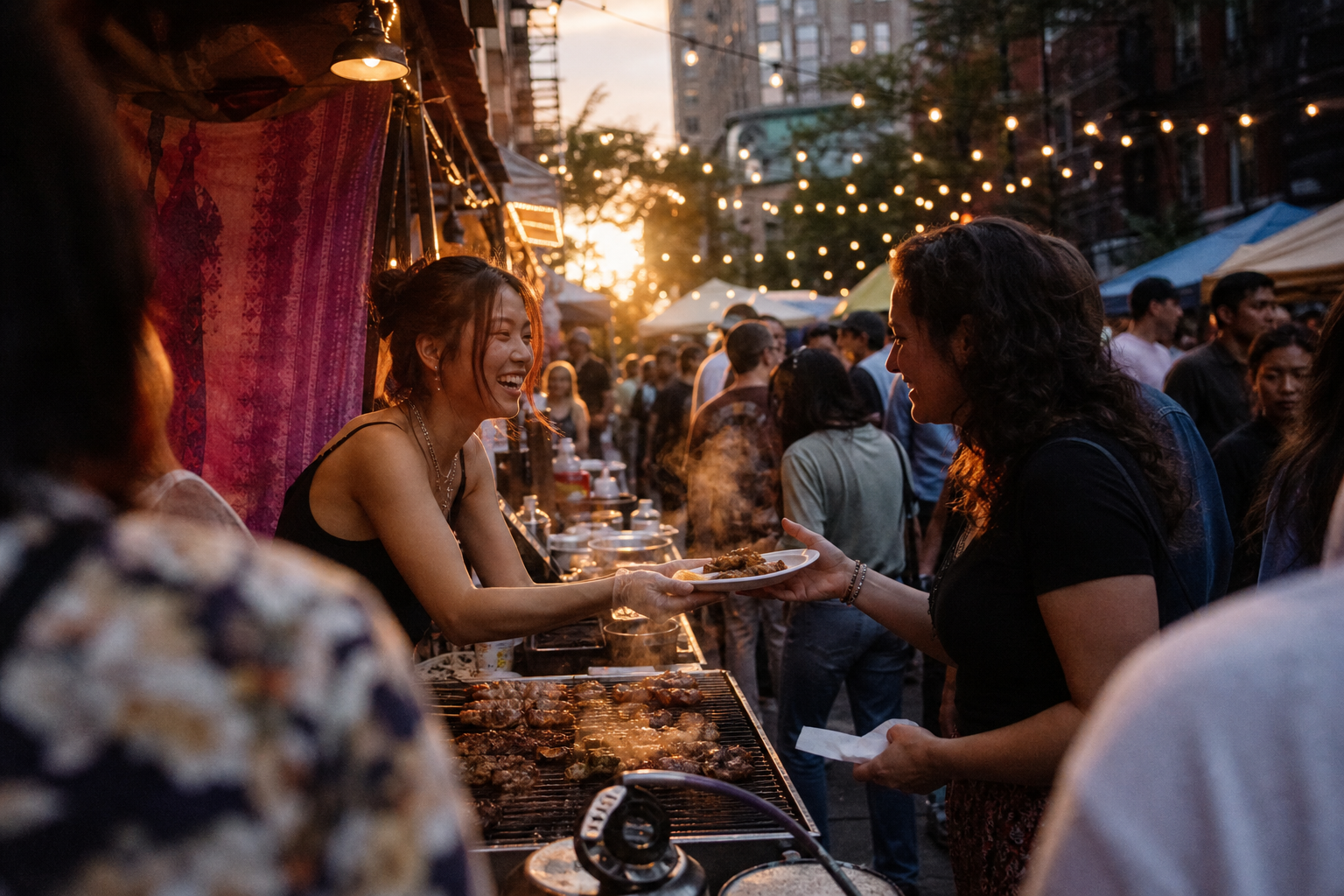
Cultural marketing is the discipline of building marketing that resonates with a specific cultural group. It accounts for their customs, values, language, humor, religious observances, and buying behavior. Merriam-Webster defines "cultural" simply as "of or relating to culture" (Merriam-Webster). In marketing, that plain definition hides enormous operational complexity.
Culture, as Wikipedia summarizes, is learned and often attributed to a specific region or location (Wikipedia). For a brand entering Cairo or Jeddah, that means one thing: your audience arrives with a lifetime of learned expectations. They expect certain things about color, family, generosity, humor, and religion. Your campaign either honors those expectations or fights them. The Cambridge Dictionary reinforces this by defining "cultural" as relating to "the way of life of a particular people, especially as shown in their ordinary behavior" (Cambridge Dictionary) — and it is precisely that ordinary behavior, not the exceptional, that a campaign must speak to.
Cultural marketing matters because purchase decisions are rarely rational in isolation. Take a customer in Saudi Arabia deciding between two e-commerce stores on Salla. They aren't just comparing price. They're reading whether the brand "gets" them. Does the tone of voice feel respectful? Does the imagery reflect their reality? Does the offer land during Ramadan, when generosity and gifting peak? Smartling notes that global brands succeed when they align campaigns with local culture rather than exporting a single message everywhere (Smartling).
Consider a concrete scenario we have seen recur across our MENA accounts. One fashion retailer ran one identical set of creative across two markets — Egypt and Saudi Arabia. In Egypt, the playful, colloquial Egyptian-Arabic humor lands beautifully with the local audience. In Saudi Arabia, the exact same joke reads as too casual — even flippant — for a more formally-inclined audience. One brand, one product, two completely different reactions from two audiences. That is cultural marketing in action: not translation, but adaptation of meaning.
How Cultural Marketing Differs from Localization and Translation
Cultural marketing differs from translation and localization by adapting the message itself — not just the words or the format. Translation converts words. Localization adapts format — dates, currencies, right-to-left text layout for Arabic. Cultural marketing goes one level further: it reframes the message around what a specific audience actually cares about, reflecting local values and emotion. HostAdvice describes cultural marketing as connecting with global audiences by understanding why it matters to them specifically (HostAdvice).
Here is the layered reality most brands miss, shown across all three levels with one offer:
- Translation: "Free shipping this weekend" becomes "شحن مجاني هذا الأسبوع".
- Localization: The Arabic renders right-to-left, prices show in SAR or EGP, and "weekend" correctly means Friday–Saturday in Saudi Arabia.
- Cultural marketing: The offer is reframed around Eid gifting. The imagery shows a family gathering. The copy uses a warm, generous tone that mirrors how Gulf audiences talk about giving.
Most agencies stop at localization — one full level short of cultural marketing. In our experience, the gap between a localized campaign and a culturally-marketed one shows up in two places: conversion rates and, more tellingly, comment sentiment. The pattern we see repeatedly is consistent — localized ads get ignored, while culturally-marketed ads get shared. This is an industry pattern, not a single audited result. Outcomes vary by category, budget, and competitive context.
Why Does Cultural Marketing Matter Specifically in Egypt and Saudi Arabia?
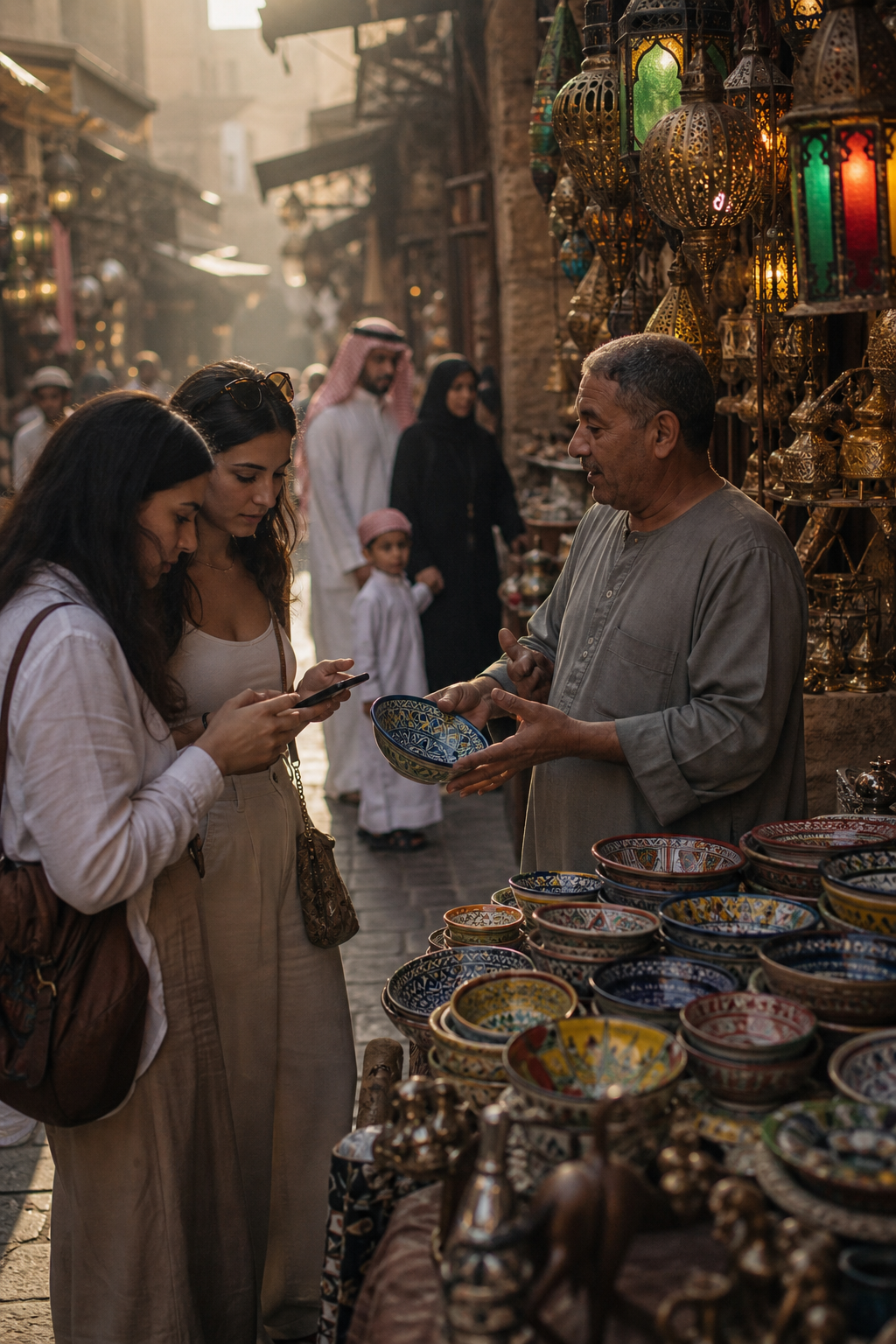
Cultural marketing matters more in Egypt and Saudi Arabia than in almost any other region because these markets are simultaneously deeply religious, dialect-diverse, mobile-first, and socially connected. A campaign that ignores Ramadan or misjudges Gulf formality doesn't just underperform. It can offend, and offense spreads fast across Arabic social media.
Egypt and Saudi Arabia share a language family and a religion, yet they are not one market. Treating them as interchangeable is one of the most common — and costly — mistakes a brand can make. Egyptian consumers respond to warmth, humor, and colloquial charm. Egyptian Arabic is one of the most widely understood dialects in the Arab world, thanks to decades of Egyptian cinema and television. Saudi consumers, particularly outside younger urban segments, often prefer a more formal register. Gulf Arabic carries its own vocabulary and cadence.
The commercial stakes are enormous. Ramadan alone transforms consumer behavior in four observable ways: daytime activity shifts, late-night browsing and shopping surge after iftar, food and gifting spending climbs, and television and social viewership peak. A brand that plans its biggest push for the wrong time of day during Ramadan spends budget when its audience is fasting and offline.
Religious observance shapes everything from imagery to scheduling. During Ramadan, the strongest campaigns lean into generosity, family, reflection, and community. Modesty in imagery is expected across much of the Saudi market. Alcohol references are non-starters. Prayer times punctuate the day and, increasingly, punctuate digital behavior. Smart campaigns and chatbots account for them.
The National Days and Local Pride Angle
Saudi National Day — commemorating the unification of the Kingdom and observed on 23 September — has become a major commercial and emotional event, with green-and-white branding, patriotic messaging, and heavy promotional activity across retail and e-commerce. Readers planning campaigns should confirm the officially-observed date each year, as public holidays can be adjusted, but 23 September is the established commemoration date. Brands that authentically celebrate it — rather than slapping a flag on an existing ad — earn genuine goodwill. Egypt has its own calendar of national and religious occasions that carry marketing weight.
Local pride is a powerful cultural lever, but it demands sincerity. A foreign brand that suddenly discovers patriotism for one day a year, then reverts to generic global creative, reads as opportunistic. Cultural marketing done right treats these moments as expressions of an ongoing relationship, not seasonal costume changes. A well-run social media marketing team plans these calendars months in advance precisely because authenticity requires lead time.
How Do You Build a Cultural Marketing Strategy for MENA Audiences?
Building a cultural marketing strategy for MENA starts with genuine cultural research, then flows into a calendar built around local events, dialect-appropriate messaging, culturally-aware creative, and channel-specific adaptation. The goal is a campaign that a local would assume was made by locals.
Here is a practical framework practitioners use when developing culturally-grounded campaigns for Egyptian and Saudi brands:
- Map the cultural calendar first. Before touching creative, lay out Ramadan, Eid al-Fitr, Eid al-Adha, Saudi National Day, back-to-school, and local shopping seasons. Because the Islamic (Hijri) calendar is lunar and roughly 10–11 days shorter than the Gregorian year, Ramadan and both Eids shift earlier each Gregorian year — so a campaign calendar built once and reused annually will drift out of sync fast. Always re-verify dates annually against a primary source.
- Choose the right dialect and register. Decide between Egyptian Arabic, Gulf Arabic, or Modern Standard Arabic based on your primary audience. For pan-Arab campaigns, MSA is safer but colder; for local intimacy, dialect wins.
- Audit your imagery against local norms. Review every visual for modesty expectations, family representation, and symbol sensitivity. What reads as neutral in one market can read as inappropriate in another.
- Adapt the offer, not just the words. Reframe promotions around cultural moments — gifting for Eid, family bundles, generosity narratives during Ramadan.
- Localize every channel. Extend cultural adaptation to SEO and paid ads, product pages, checkout copy, and customer service — not just the hero banner.
- Test with real locals. Nothing replaces native speakers reviewing your creative before launch. A short review catches missteps that can cost far more post-launch.
Turning Cultural Insight Into Actionable Campaigns
Insight without execution is just a nice slide deck. The practical translation of cultural understanding into campaigns happens at the level of specific creative and offer decisions.
Take an e-commerce merchant selling home goods on Salla in Saudi Arabia. A generic "20% off everything" sale is culturally flat. A culturally-marketed version times the sale to the week before Ramadan (when families refresh their homes and stock up for gatherings), leads with imagery of a warm family majlis, uses copy that speaks to hospitality and welcoming guests, and bundles products as "Ramadan hosting essentials." Same discount, radically different resonance.
EngageCoders emphasizes that cultural marketing, done right, strengthens a brand's bond with specific target audiences on a deeper level (EngageCoders). That deeper bond is what turns a one-time buyer into a repeat customer who trusts the brand to understand their world.
How Does Cultural Marketing Apply to SEO and Paid Ads in Arabic Markets?
Cultural marketing transforms SEO and paid ads in Arabic markets by aligning keywords with how locals actually search, adapting ad copy to dialect and cultural moments, and timing campaigns to religious and national calendars. Direct translation of English keywords into Arabic almost always misses real search intent.
Arabic SEO is a cultural exercise disguised as a technical one. Egyptians and Saudis search differently — in dialect, in Franco-Arabic (Arabic written with Latin letters and numbers, like "3ashan" for "عشان"), and with different phrasing for the same intent. A keyword strategy that only targets Modern Standard Arabic terms will miss enormous volumes of real, high-intent searches typed the way people actually speak.
Consider these layered SEO realities for MENA:
- Dialect keyword gaps: An Egyptian searching for a product may use colloquial terms a Gulf searcher never would. Keyword research must be dialect-aware.
- Franco-Arabic queries: Younger MENA users frequently search in transliterated Arabic, creating an entire keyword universe most translation-only strategies ignore.
- Seasonal intent spikes: Searches for gifts, decorations, and food surge predictably before Ramadan and Eid, and content published in time to be indexed captures that intent.
- Right-to-left technical hygiene: Proper Arabic RTL rendering, hreflang tags for ar-EG versus ar-SA, and correctly encoded URLs all affect visibility.
On the paid side, cultural marketing shapes bidding and creative timing. During Ramadan, engagement patterns commonly invert — peak activity moves to late night after iftar and suhoor. Running your heaviest ad delivery during fasting daytime hours can waste budget. Adjusting dayparting to match Ramadan rhythms is one of the faster, lower-effort optimizations available on Meta and Google campaigns; the exact impact depends on your audience and category, so validate against your own analytics before and after the change.
Cultural Marketing in Ad Creative
Ad creative is where cultural marketing succeeds or fails most visibly. A Meta ad that shows a family breaking their fast together during Ramadan will typically outperform a generic product shot in that season — not because the product changed, but because the emotional context matches the moment.
The caveat worth stating plainly: cultural relevance must be genuine, not performative. Audiences across Egypt and Saudi Arabia are highly attuned to "Ramadan-washing" — brands that exploit the season with hollow sentiment. When creative feels sincere and useful, it earns engagement. When it feels like a cash grab dressed in cultural clothing, it invites backlash. There's no algorithm that rescues insincere creative.
How Can Chatbots and AI Be Culturally Localized for Arabic Audiences?
Chatbots and AI are culturally localized for Arabic audiences by adapting greetings, formality, dialect, and behavior to local norms — including respecting prayer times, using appropriate honorifics, and understanding colloquial and Franco-Arabic input. A chatbot that only handles Modern Standard Arabic will misunderstand a large share of real customers.
Most off-the-shelf chatbots are built with an English-first logic and a thin Arabic veneer bolted on. That approach breaks in practice. A Saudi customer typing a casual Gulf-Arabic question, or an Egyptian typing in Franco-Arabic, often gets a confused, generic response — the digital equivalent of a shrug. Cultural localization of AI means training and configuring the bot to understand how people actually write and speak.
Practical cultural localization of a WhatsApp or website chatbot includes:
- Dialect comprehension: The bot should understand Egyptian and Gulf colloquialisms and Franco-Arabic transliteration, not just formal Arabic.
- Appropriate greetings and tone: Opening with a warm, culturally-fitting greeting — and matching the formality the customer uses — signals respect.
- Prayer-time and Ramadan awareness: Response tone and even proactive messaging can acknowledge Ramadan or avoid pushy sales pings during prayer windows.
- Right-to-left and mixed-language handling: Many MENA users mix Arabic and English mid-sentence; the bot must handle code-switching gracefully.
WhatsApp dominates customer communication across Egypt and the Gulf, which makes culturally-localized chatbots on that channel especially high-leverage. A bot that feels human, local, and respectful can carry a large share of pre-sale questions and post-sale support. Well-designed chatbot development services are built with this Arabic-first, dialect-aware philosophy rather than treating translation as an afterthought.
An honest caveat: AI cultural localization is a work in progress, not a solved problem. Even well-trained bots occasionally misread dialect or context, so the smartest deployments include seamless handoff to a human agent. Cultural sensitivity sometimes means knowing when a machine should step aside.
What Are the Biggest Cultural Marketing Mistakes to Avoid in MENA?
The biggest cultural marketing mistakes in MENA are treating Egypt and the Gulf as one market, relying on machine translation without native review, ignoring religious observances, and exploiting cultural moments insincerely. Each mistake damages trust, and trust is the hardest thing to rebuild in a connected, vocal region.
The same errors repeat across brands large and small. Cataloging them plainly is more useful than any success story, because avoiding disaster is often the whole game in cultural marketing.
- One-size-fits-all Arabic. Assuming a single Arabic ad works identically in Cairo, Jeddah, and Dubai ignores dialect and cultural nuance. Smartling's guidance on avoiding missteps centers on exactly this kind of over-generalization (Smartling).
- Machine translation without review. Automated translation produces grammatically plausible Arabic that frequently misses tone, idiom, and intent — and sometimes produces embarrassing errors.
- Ignoring the calendar. Launching a major push during Ramadan daytime, or missing Eid entirely, wastes the region's highest-intent windows.
- Insensitive imagery. Visuals that clash with local modesty norms or use inappropriate symbols can trigger fast, public backlash.
- Performative cultural moments. "Ramadan-washing" and hollow National Day pandering read as opportunistic and erode credibility.
The Cost of Getting It Wrong
Cultural missteps in MENA rarely stay quiet. The region's social media penetration is high, and audiences are quick to call out brands publicly on X, Instagram, and TikTok. A tone-deaf post can attract a wave of critical replies quickly, and screenshots outlive deleted posts indefinitely.
The asymmetry is real: cultural sensitivity earns modest, steady goodwill, while a single serious misstep can undo a great deal of it. That asymmetry is exactly why cultural review should be treated as non-negotiable rather than optional polish. The few minutes a native reviewer spends catching a problem is among the cheapest insurance in marketing.
Cultural Marketing Adaptation: A Practical Comparison
The table below shows how the same marketing decision changes across a generic global approach versus a culturally-marketed MENA approach.
| Element | Generic Global Approach | Culturally-Marketed MENA Approach |
|---|---|---|
| Language | Translated to Modern Standard Arabic | Egyptian or Gulf dialect matched to audience; Franco-Arabic for younger segments |
| Campaign timing | Fixed global calendar | Built around Ramadan, Eid, and Saudi National Day (23 Sept) |
| Ad delivery hours | Standard daytime dayparting | Late-night after iftar/suhoor during Ramadan |
| Imagery | Global stock visuals | Local families, modesty-aware, culturally familiar settings |
| Offer framing | Percentage discount | Eid gifting, Ramadan hosting bundles, generosity narrative |
| Chatbot | English-first, thin Arabic layer | Dialect-aware, prayer-time-conscious, code-switching capable |
| Currency & format | USD, LTR layout | SAR/EGP, right-to-left, local weekend (Fri–Sat) |
How Do You Measure the Success of Cultural Marketing?
Cultural marketing success is measured through a mix of hard performance metrics — conversion rate, click-through rate, cost per acquisition — and softer cultural signals like comment sentiment, share rate, and brand mentions. Cultural resonance often shows up in engagement quality before it shows up in revenue.
Standard performance metrics still apply. A culturally-relevant Ramadan campaign should, if it's working, tend to show lower cost per acquisition and higher conversion rates than generic creative during the same period. But the leading indicators are often qualitative. When comments shift from silence to "finally a brand that gets us," you're seeing cultural marketing work in real time.
Track these signals alongside the usual dashboard metrics:
- Sentiment in comments and replies: Are people responding warmly, sharing personal reactions, tagging friends?
- Share and save rates: Culturally-resonant content gets shared within family and friend networks, which drives cheap organic reach.
- Repeat purchase and retention: A brand that earns cultural trust sees customers return, especially across seasonal cycles.
- Branded search lift: Cultural campaigns that land often produce a measurable rise in people searching your brand name directly.
A limitation worth stating honestly: cultural marketing's effects are harder to isolate than a straightforward promo. Seasonality, competitor activity, and broader economic conditions all move at once during periods like Ramadan. The soundest approach is to compare culturally-adapted campaigns against your own prior baselines rather than against idealized benchmarks, and to treat sentiment as a genuine leading metric rather than a vanity one. A data-driven marketing approach ties these signals together so cultural decisions are grounded in evidence, not guesswork.
Actionable Takeaways: Your Cultural Marketing Checklist
If you take one thing from this guide, make it this: cultural marketing in MENA is a discipline of respect executed through detail. Here's a checklist you can act on this quarter.
- Build your 12-month cultural calendar now. Plot Ramadan, both Eids, Saudi National Day, and local seasons — with correct annual Hijri-to-Gregorian shifts, re-verified each year. Plan creative lead time months ahead.
- Pick your dialect deliberately. Decide per-market whether Egyptian Arabic, Gulf Arabic, or MSA fits, and stop reusing one translation everywhere.
- Run a cultural audit of existing assets. Review current ads, product pages, and chatbot scripts for tone, imagery, and timing misalignment.
- Fix your dayparting for Ramadan. Shift paid delivery to post-iftar and suhoor windows during the holy month.
- Localize your chatbot's language and behavior. Add dialect comprehension, warm greetings, and prayer-time awareness.
- Install a native review step. Never launch MENA creative without a native speaker checking it first.
- Reframe offers around cultural moments. Convert generic discounts into gifting, hosting, and generosity narratives tied to real occasions.
None of these steps require a massive budget. They require attention, planning, and a genuine willingness to see your audience as they see themselves. That's the whole discipline.
Frequently Asked Questions
What is cultural marketing in simple terms?
Cultural marketing is designing campaigns that reflect how a specific cultural group actually thinks, celebrates, and buys — not just translating your message into their language. In MENA, that means adapting timing, imagery, tone, and offers to local customs, dialects, and religious moments like Ramadan and Eid.
How is cultural marketing different from translation?
Translation converts words from one language to another, while cultural marketing adapts the entire message — humor, imagery, values, and timing — to fit local culture. As VeraContent notes, cultural marketing goes far beyond simple translations, accounting for how people think and make decisions within a given market (VeraContent).
Why is Ramadan so important for marketing in Saudi Arabia and Egypt?
Ramadan reshapes daily rhythms and shopping behavior across MENA, with activity surging late at night after iftar and suhoor, and spending on food, gifting, and family gatherings rising sharply. Brands that align creative, timing, and offers with Ramadan capture one of the year's highest-intent windows — as long as the tone is sincere rather than exploitative.
Should I use Egyptian Arabic or Gulf Arabic in my campaigns?
Choose the dialect that matches your primary audience: Egyptian Arabic for Egypt-focused campaigns, Gulf Arabic for Saudi and wider Gulf audiences, and Modern Standard Arabic for pan-Arab reach where a neutral register is safer. Using the wrong dialect signals you don't belong, which quietly undermines trust.
Can chatbots really be culturally localized for Arabic speakers?
Yes — culturally-localized chatbots understand dialect and Franco-Arabic input, use warm and appropriately formal greetings, and stay aware of prayer times and Ramadan rhythms. The best deployments still include seamless handoff to a human agent, because even well-trained AI occasionally misreads local nuance.
The Road Ahead for Cultural Marketing in MENA
The brands that will dominate Egyptian and Gulf markets over the next few years won't necessarily be the ones with the biggest budgets — they'll be the ones who stopped treating culture as a checkbox and started treating it as the strategy itself. As AI makes translation trivially cheap, genuine cultural understanding becomes an increasingly decisive competitive advantage, precisely because a machine can copy your words but not your sincerity. The question worth sitting with: does your marketing sound like it was made by someone who lives here, or by someone who visited once?
If you'd like hands-on help building culturally-grounded campaigns for Egypt, Saudi Arabia, or the wider Gulf, you can reach out to our team.
Sources & References
The definitions and strategic claims in this guide are supported by the following published sources. Definitional sources establish what "cultural" and "culture" mean; specialist marketing sources establish how cultural marketing operates as a discipline. Date-specific regional facts (such as the current year's Ramadan and Eid dates) should always be re-confirmed against a primary source before campaign planning.
- Merriam-Webster — "Cultural" definition and meaning
- Cambridge Dictionary — "Cultural" (of a way of life)
- Wikipedia — Culture (learned, region-attributed)
- VeraContent — Cultural marketing: going beyond simple translations
- HostAdvice — Guide to Cultural Marketing: key approaches & techniques
- Smartling — 8 strategies for culture marketing & why it matters
- EngageCoders — What is cultural marketing and how to do it successfully
Note: This article is for general informational purposes; verify specifics against your own context.